
1) Who can adopt an official mark?
Only a public authority, such as any government organization or agency or any quasi-governmental organization at the federal, provincial, or municipal level will be able to obtain the publication of a sign that it has adopted and used as an official mark. However, this entity will have to qualify by meeting the specific requirements to be considered a public authority and demonstrate adoption and use of the sign.
The following are some examples of official marks owned by government organizations in Canada
Owned by:

The Ontario Ministry of Natural Resources
Owned by:

The Minister of National Defence
Owned by:
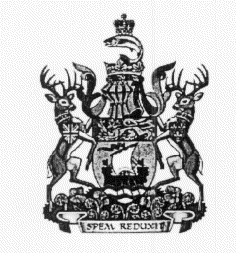
The Office of the Attorney General of New Brunswick
2) The process:
Obtaining the publication of a sign to seek official mark status is easy for public authorities that satisfy the requirements described above, as such applications are not subject to examination. A sign may be a surname, a word or phrase in everyday language, and can even create confusion with a mark previously used, filed or registered, or be identical or similar to other official marks without holding up, in any way, its publication as an official mark. Meanwhile, the only way a third party can attack an official mark is to challenge the public authority status of the entity that adopted the official mark.
The status of an official mark is acquired when the notice of its adoption and use is published in the Trademarks Journal. Thereafter, an official mark need not be renewed and is a prohibition that is perpetual in nature.
3) The prohibition created by official marks:
An official mark prohibits the adoption, which includes the use and filing, of a trademark that is identical or similar to an official mark, irrespective of the products or services associated with it. Public notice of an official mark also prohibits the registration of a pending trademark application, even when the application was filed before an official mark is published.
The exceptions to the prohibition created by official marks are:
- An unregistered trademark used before the publication of an official mark can continue to be used, however, a trademark registration cannot be obtained;
- When a trademark was registered before the publication, the owner may continue to use and maintain its rights.
In either case, however, it will not be possible to extend use of the mark to other wares or services.
There is a straightforward, easy and affordable solution to overcoming this prohibition: obtaining a simple consent from the public authority for the adoption and registration of a trademark that is identical or similar to the public authority’s official mark. Public authorities often respond favourably to such requests, unless granting the consent could negatively impact upon their reputation.
If you have any questions regarding the above, please do not hesitate to contact a member of our firm’s Trademarks group.
The preceding is intended as a timely update on Canadian intellectual property and technology law. The content is informational only and does not constitute legal or professional advice. To obtain such advice, please communicate with our offices directly.